Hyperbaric Oxygen Therapy (HBOT): Healing with Pure Oxygen
Introduction
Imagine a treatment that harnesses the very air we breathe to accelerate healing, fight infections, and repair damaged tissues. This isn’t science fiction; it’s Hyperbaric Oxygen Therapy (HBOT), a medical treatment that has been quietly revolutionizing recovery for a growing number of conditions. While the concept might sound complex, its power lies in a simple, yet profound, physiological principle: delivering significantly more oxygen to your body’s cells than is possible at normal atmospheric pressure.
What Exactly Is Hyperbaric Oxygen Therapy?
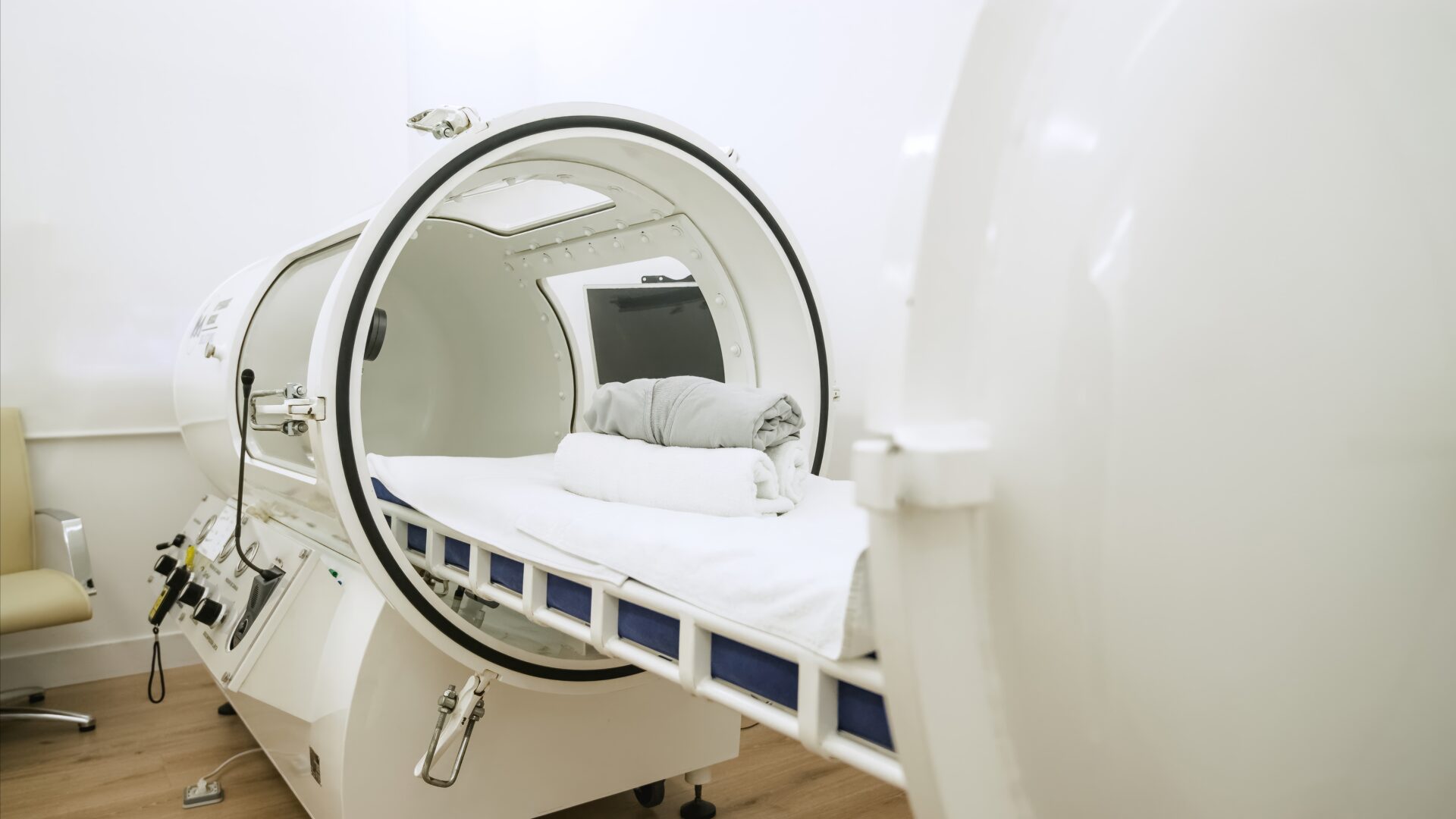
At its core, Hyperbaric Oxygen Therapy involves breathing 100% pure oxygen in a pressurized chamber. This chamber is designed to simulate an environment where the atmospheric pressure is two to three times greater than the air we typically experience at sea level. Think of it like diving underwater: the deeper you go, the more pressure you feel. HBOT creates a controlled “dive” for your body, but with pure oxygen.
In a normal environment, oxygen is primarily carried by red blood cells. However, under increased pressure, oxygen dissolves directly into the plasma, the fluid component of your blood. This allows oxygen to reach areas of the body that might have compromised blood flow, such as injured tissues, infected areas, or regions affected by radiation.
How Does HBOT Work Its Healing Magic?
The benefits of HBOT stem from several key mechanisms:
- Supersaturated Oxygen Delivery: By breathing pure oxygen under pressure, the amount of oxygen dissolved in your blood plasma can increase dramatically—up to 10 to 15 times the normal amount. This “supersaturation” allows oxygen to permeate tissues and fluids, including those with restricted blood flow due to injury, swelling, or chronic disease.
- Promoting Angiogenesis: Oxygen is crucial for the formation of new blood vessels, a process called angiogenesis. In areas where blood supply is poor, HBOT stimulates the growth of these new vessels, improving circulation and delivering essential nutrients to damaged tissues.
- Reducing Swelling and Inflammation: HBOT helps to reduce swelling (edema) by causing vasoconstriction (narrowing of blood vessels). While this might sound counterintuitive for oxygen delivery, it significantly reduces fluid leakage into tissues, thereby allowing oxygenated plasma to reach the cells more efficiently. It also has potent anti-inflammatory effects.
- Fighting Infections: Many harmful bacteria thrive in low-oxygen environments. By flooding the body with oxygen, HBOT can directly kill certain anaerobic bacteria and enhance the effectiveness of antibiotics. It also boosts the ability of white blood cells to fight infection.
- Stimulating Stem Cell Release: Research indicates that HBOT can stimulate the release of stem cells from the bone marrow. These stem cells are vital for regeneration and repair throughout the body, migrating to sites of injury to assist in healing.
- Detoxification and Wound Healing: Increased oxygen levels support cellular metabolism, helping the body detoxify and accelerate the complex processes involved in wound healing, from collagen formation to tissue regeneration.
Conditions Treated with Hyperbaric Oxygen Therapy
HBOT is an FDA-approved treatment for a range of medical conditions, and its applications are continually being explored. Some of the most common and effective uses include:
- Non-Healing Wounds: Diabetic foot ulcers, pressure ulcers, and other chronic wounds that don’t respond to conventional treatments often show remarkable improvement with HBOT.
- Decompression Sickness (“The Bends”): This condition affects divers when they ascend too quickly, causing nitrogen bubbles to form in the blood. HBOT helps to reduce these bubbles and alleviate symptoms.
- Carbon Monoxide Poisoning: Oxygen displaces carbon monoxide from hemoglobin, rapidly reversing the toxic effects.
- Radiation Injury: For patients who have undergone radiation therapy for cancer, HBOT can help heal tissues damaged by radiation, such as osteoradionecrosis (bone death) or radiation cystitis.
- Crush Injuries and Traumatic Ischemia: When tissues are starved of blood flow due to severe injury, HBOT can help salvage damaged tissue and promote recovery.
- Severe Anemia: In cases where a patient cannot receive blood transfusions, HBOT can supply enough oxygen to sustain life.
- Certain Infections: Including necrotizing soft tissue infections (flesh-eating bacteria) and chronic bone infections (osteomyelitis).
- Sudden Sensorineural Hearing Loss: In some cases, HBOT can improve hearing in patients with sudden, unexplained hearing loss.
What to Expect During an HBOT Session
A typical HBOT session involves relaxing inside a clear, pressurized chamber. You’ll simply breathe normally. The duration of a session can vary, usually from 60 to 120 minutes, and the number of sessions depends on the condition being treated. You might feel a sensation similar to being on an airplane or diving underwater as the pressure changes, which can be relieved by swallowing or yawning. Many patients read, listen to music, or watch a movie during their treatment.
Safety and Considerations
HBOT is a safe procedure when administered by trained medical professionals in an accredited facility. Potential side effects are generally mild and rare, including ear discomfort or temporary vision changes. Your medical team will thoroughly evaluate your health and discuss any risks or contraindications before starting treatment.
Conclusion
Hyperbaric Oxygen Therapy offers a powerful, non-invasive approach to healing, leveraging the natural properties of oxygen to accelerate recovery and improve outcomes for a diverse range of medical conditions. By delivering oxygen directly to the deepest, most compromised tissues, HBOT supports the body’s innate ability to repair, regenerate, and fight disease. If you or a loved one are exploring advanced treatment options, HBOT might be a vital component of your healing journey.